The TCoE Academy
Good seed and healthy fish still fail in untrained hands. The Academy is our answer: five learner streams, one standard, taught on the water and online. Smallholder farmers come first.
Training areas
Five learner streams, one standard
Each stream has its own learners, its own format and its own certificate. All five are built on the same practical standard and taught by people who have run farms. Status as of October 2026.
Smallholders first
Smallholder certificate ladder
For farmers running a handful of cages or ponds at the clusters near Siavonga and around the lake.
- Online pilot live, hands-on from November 2026
What you learn
Stocking, feeding, water, fish health, record keeping and selling, one certificate at a time, starting from what you already do.
Format
Hands-on sessions at your cage cluster or pond, with short online lessons on your phone between sessions.
Where
At the smallholder cage clusters near Siavonga, on the water. Led by Lazarus Tsokonombe.
Tools
The free Smallholder Farmer Toolkit plans your next cycle in minutes.
Next step
Government capacity building
For fisheries officers of the Department of Fisheries and other government staff who support farmers.
- Train the Trainer ready
What you learn
How to train farmers: the Master Trainer course turns officers into trainers of farmers, using the same practical standard the smallholder ladder uses.
Format
A five-day residential Master Trainer course in six modules, followed by supported practice and observed delivery in the field.Where
Residential week in Siavonga; field delivery at the cage clusters. Led by Lazarus Tsokonombe.
Next step
Professional CPD
For people already working in aquaculture: on farms, in hatcheries, in laboratories and in government.
- Courses designed
What you learn
Short courses on hatchery operations, cage management, fish health and biosecurity, water quality and farm economics.
Format
Two to five day short courses, on site or at partner laboratories, with a certificate of completion.
Next step
Postgraduate diploma
For people already working in aquaculture: on farms, in hatcheries, in laboratories and in government.
- In design
What you learn
Applied aquaculture production, fish health and business, with time on working farms and in partner laboratories.
Format
Developed with our university partners; taught on the lake and at the universities.
Next step
Vocational apprenticeship
For young people who want to work in aquaculture and learn on the job.
- In design
What you learn
The full production cycle, from hatchery to harvest, through paid work on a farm combined with structured learning.
Format
Modelled on the Norwegian aquaculture apprenticeship, adapted to Lake Kariba.
Next step
The Blue Planet Academy pilot
The pilot is live with smallholders near Siavonga. It tests whether online lessons built for Norwegian salmon farms can be adapted for tilapia farmers on Lake Kariba, and what farmers need from them. What we learn shapes the online layer for all five streams.
Taught by people who have done the work
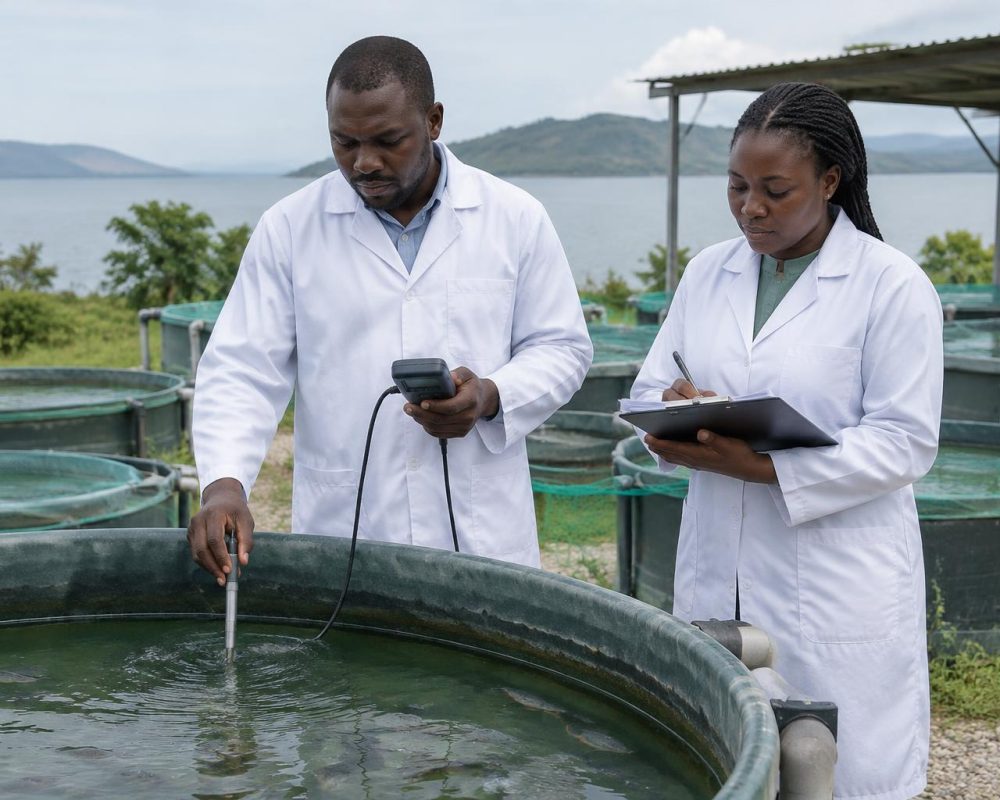
Our trainers have run commercial farms on Lake Kariba and trained hundreds of smallholders. Our university partners bring the science. Our Norwegian board brings thirty years of salmon farming practice.
Lazarus Tsokonombe
Senior Aquaculture Operations Trainer
Leads hands-on hatchery and grow-out training for farmers, government officers and Academy learners, and field delivery of the Master Trainer course.
Permit Shava
Chief Executive Officer
Leads hands-on hatchery and grow-out training for farmers, government officers and Academy learners, and field delivery of the Master Trainer course.
Where the Academy will live
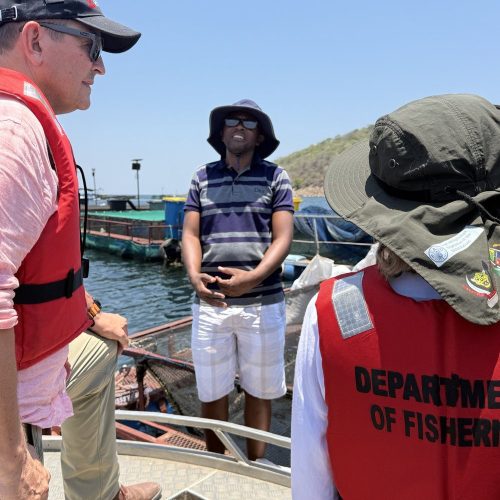
Siavonga Town Council has allocated about 5.4 hectares in Siavonga Township for the TCoE Living Aquaculture Campus: the Academy, a demonstration hatchery, laboratories and trainee accommodation. Until it is built, we teach where the farmers are: on the lake.